At MovePlan, several key trends are emerging that will shape how organisations support their people through workplace transitions in the year ahead.
Across industries, organisations are encouraging more in-person presence - and employees are showing interest in increased face-to-face interaction as well, although not full-time. The central challenge for 2026 will be determining when in-person time is genuinely needed and ensuring the workplace is equipped to support those moments.
This shift places heightened demands on managers and leaders. They are being asked to engage teams, uphold culture, introduce new policies and navigate resistance, all while maintaining performance. Many will require additional support and training to manage these people-focused responsibilities with confidence and empathy.
AI, automation and new efficiencies will continue to reshape roles. While these tools enhance accuracy and streamline tasks, they cannot address the human elements of change. AI may create the impression that transitions are fully covered, yet the emotional, behavioural and cultural aspects remain firmly in the hands of people.
Organisations that prioritise reskilling, redeployment and capability-building will be best positioned to support evolving roles. Technology may enhance the ship, but people still steer it by making decisions, managing reactions and sustaining organisational culture.
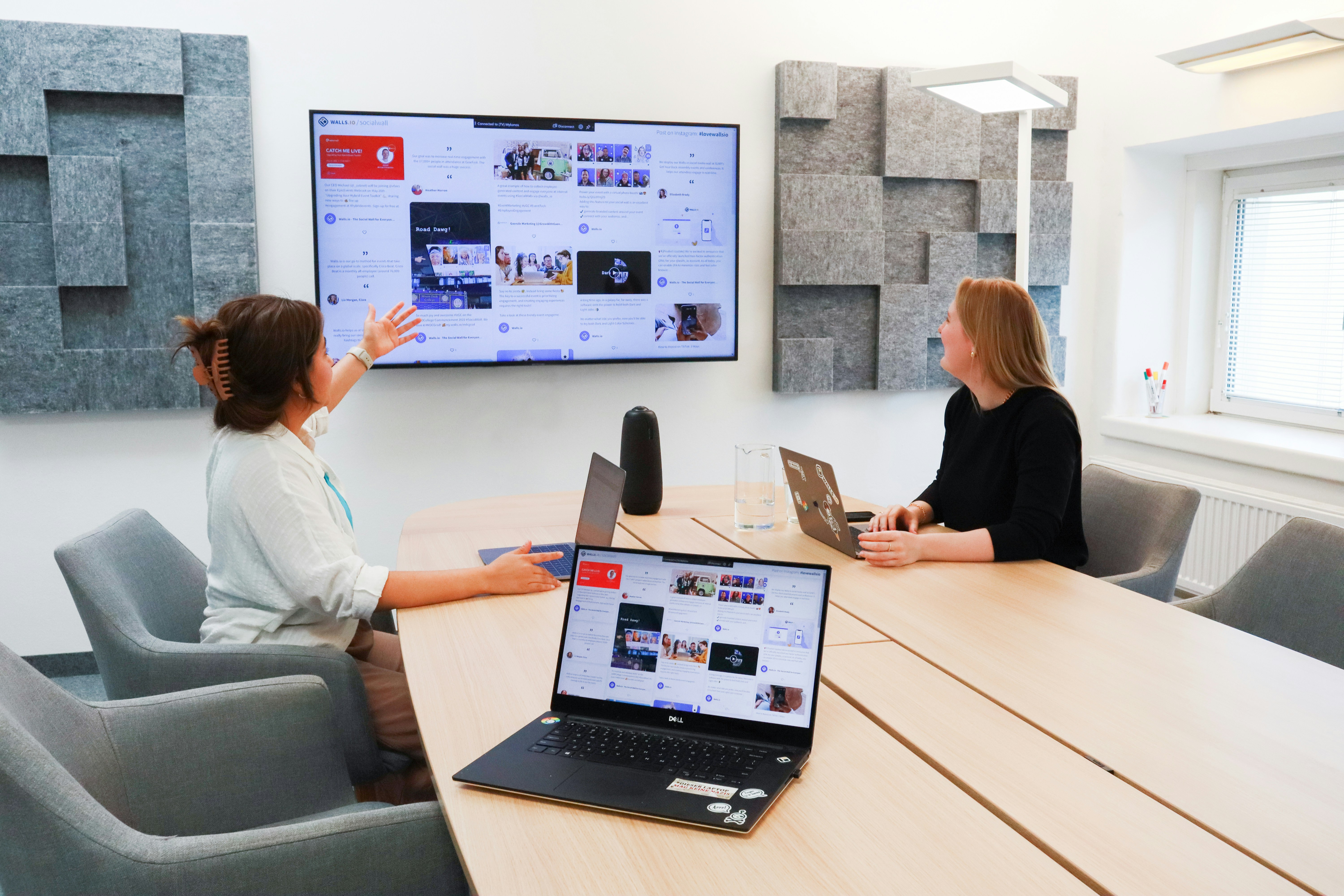
Data is playing a larger role in workplace strategy, enabling organisations to model scenarios, measure outcomes and make predictions with greater accuracy. However, data without context - or data used in excess - can lead to misinformed decisions.
In 2026, the focus will shift toward meaningful data: insights enriched with behavioural understanding, qualitative feedback and lived experience. The most effective organisations will balance analytics with expert interpretation to drive informed, people-centred decisions.
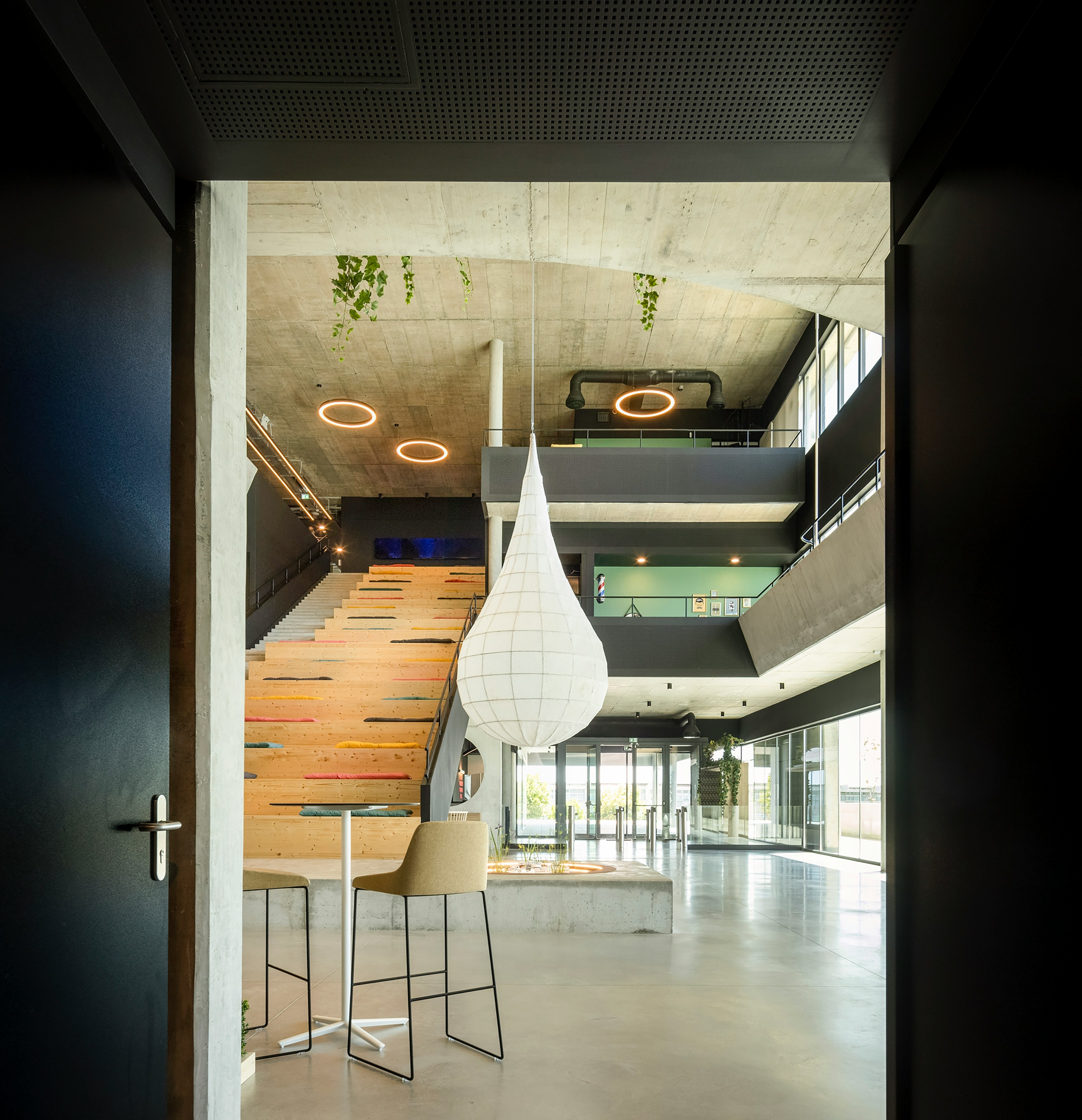
As more employees return to physical workplaces, many organisations are recognising the need to rebalance their environments. In recent years, collaboration areas expanded significantly, often reducing the amount of space available for focused, individual work. A recalibration is now underway, with renewed emphasis on quiet zones and, in some cases, a return to assigned seating.
Wellbeing and sustainability continue to be essential considerations. Standards around air quality, ventilation, energy efficiency and healthy building performance have become expected rather than exceptional. Employees increasingly value workplaces that reflect environmental responsibility and align with their personal and organisational values.
In a context of economic uncertainty and ongoing technological change, employee engagement remains critical. Organisations will need to articulate goals clearly, reinforce shared behaviours and help teams establish healthy boundaries in an always-connected environment. Burnout and digital overload remain significant risks unless addressed directly.
At the same time, distributed workplace strategies will continue to evolve. Expectations around in-person versus remote work may differ across markets, requiring thoughtful planning and communication to maintain organisational cohesion.
Some organisations that previously reduced their office footprints may now find themselves requiring additional space - or simply different types of space - to support their cultural and operational needs. Combined with wider economic and technological uncertainties, this is driving a preference for flexible investment strategies, including shorter leases and adaptable workplace solutions.
Across all these trends, one constant remains: purpose matters. Organisations that clearly articulate why people come together - and design workplaces that support meaningful interaction - will be best positioned to build environments where culture, wellbeing and performance can thrive.