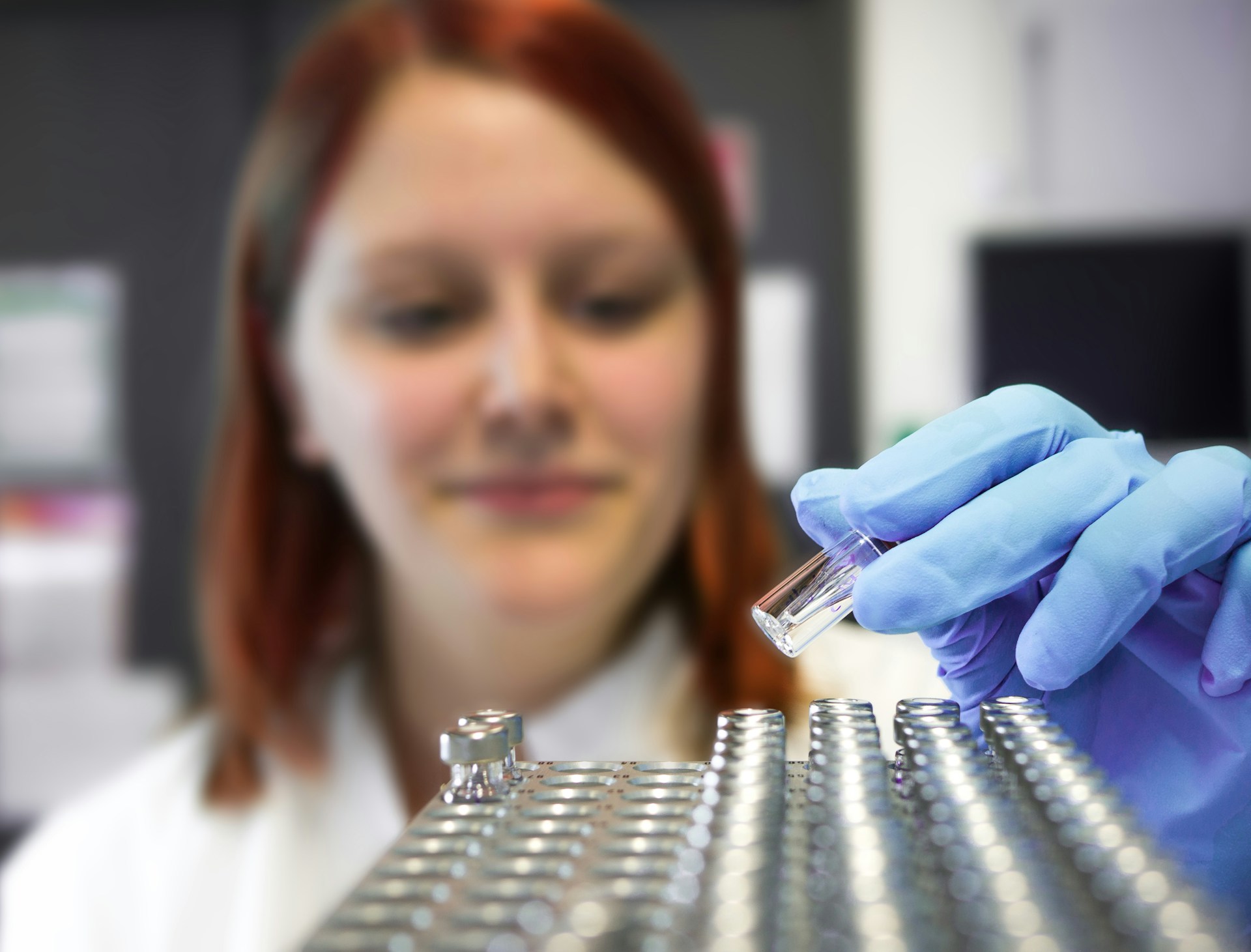
Scientific organisations are increasingly undergoing large-scale transformations that touch every aspect of their operations. From pharmaceutical companies to research institutions, one thing is always true: labs are not just another workspace. They are highly specialised ecosystems where even the smallest disruption can ripple across research continuity, productivity and morale.
Scientists and lab professionals operate - and thrive in - structured environments.
A deeply embedded process-focused workplace means that change in a lab environment isn’t just logistical, it’s also emotional and cognitive. It challenges how scientists see their work, their workspace and their ability to control outcomes. Sarah Speroff, Workplace Project Director, has managed a number of high-profile, large-scale lab transformations and has a unique view into this environment. “Those who work in labs are naturally very process-oriented. It’s how they maintain accuracy and ensure results. Because of this, even subtle changes to their environment can feel more disruptive than in a typical office setting and we are very mindful of this nuance when it comes to managing change programmes in these settings.”
In office environments, flexibility is often built in. Employees can work remotely, shift schedules and adapt quickly to new working requirements or space layouts. Laboratory teams, on the other hand, rely on physical space and shared equipment that can’t easily be moved or replaced. Samples, experiments and compliance protocols all depend on continuity.
Speroff explains that any resistance to change is often about trust and risk. Scientists need to process the change carefully and understand the implications. “You can’t just tell them, ‘This is how it’s going to be.’ You have to bring them into the process.” Early engagement is critical. “Inviting lab users to contribute to the planning, asking how they want the new environment to function and listening to their operational concerns helps transform resistance into collaboration.”
Unlike office moves, where staff can often take laptops home for a few days, lab transitions require careful sequencing and downtime planning. According to Speroff, there’s no single formula for minimising disruption. “It’s about setting realistic expectations. There’s always a ramp-down and ramp-up period. You have to define what those look like. How do you wind down your science safely? How long will it take to get back to full productivity in the new space? It’s about being honest that disruption will happen and managing that experience thoughtfully.”
Acknowledging that scientific continuity is not instantaneous is key. Planning around critical timelines, communicating clearly about what will happen when, and ensuring that no data, samples, or equipment are at risk during the transition all help preserve trust and momentum.
A move or reconfiguration project in a scientific setting can only succeed with deep preparation. Before any communications go out, change teams must work with leadership to understand who will be impacted, how they work today, what’s changing and why, and how best to communicate with them. The goal is to tailor every aspect of the change program to the lab culture rather than imposing a generic corporate playbook.
Speroff emphasises that credibility is essential: “We can’t just tell people we’re the experts. They need to hear us talk about their work, understand their processes, and see that we get it. That’s when they start to trust us.”
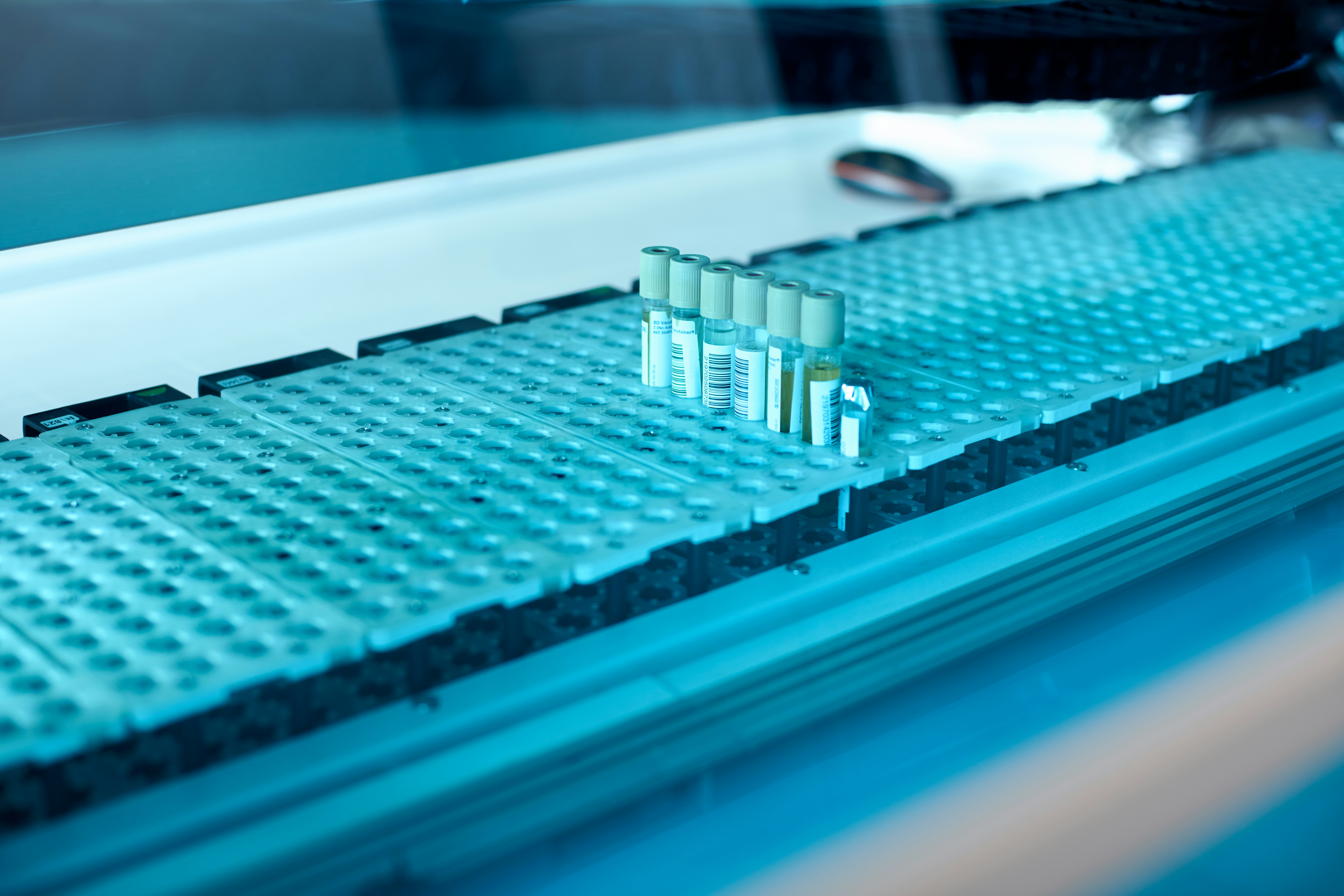
Looking ahead, flexibility will be key to how labs evolve. As scientific work becomes more collaborative and cross-disciplinary, spaces will need to adapt more easily to different teams, equipment and workflows. Speroff believes that "there's an ever greater shift toward more open, modular and flexible designs in the laboratory setting, although traditional workspaces and mindsets are still evident. The change will take time, but the next generation of scientists may come in more open to it and it will require more change programmes to manage the transition.”
For organisations designing the labs of the future, this means not only planning for today’s science environments and requirements but anticipating tomorrow’s. Embedding flexibility, both in the space and in the culture, will make adapting to change far easier.
One of the most powerful lessons from MovePlan’s lab projects is the importance of credible leadership. Scientists and researchers respond best to those who understand their world - leaders or change champions (see our article on “The Importance of Change Champions”) who speak their language. “In our experience, when scientists, researchers or lab technicians themselves were seconded as change managers, acting as the bridge between leadership and the lab, the change programme has gone much more smoothly. They reassured their peers that the changes had been thought through and that the science would remain protected,” says Speroff.
Having change advocates embedded within the lab community builds confidence and minimises anxiety. Their insider knowledge allows them to anticipate and address the nuanced concerns that might otherwise seed resistance during a transition.
The takeaway
Change in scientific environments is inevitable, but it doesn’t have to be disruptive or damaging. The key is understanding that labs are built on precision, trust and process. To manage change successfully, organisations must respect that culture, engage their scientists early and ensure that leadership and communication are grounded in authenticity.
As Speroff concludes, “Don’t underestimate how people will respond to change, or how much time and care it takes to bring them along. If you invest in managing that change well, you protect not just your project, but the science itself.”